Know where a creator draft loses people, before it posts.
For agencies and brands reviewing creator video. PrePost predicts how an average viewer's brain responds to each second of a draft, then tells your team in plain English which moment to fix.
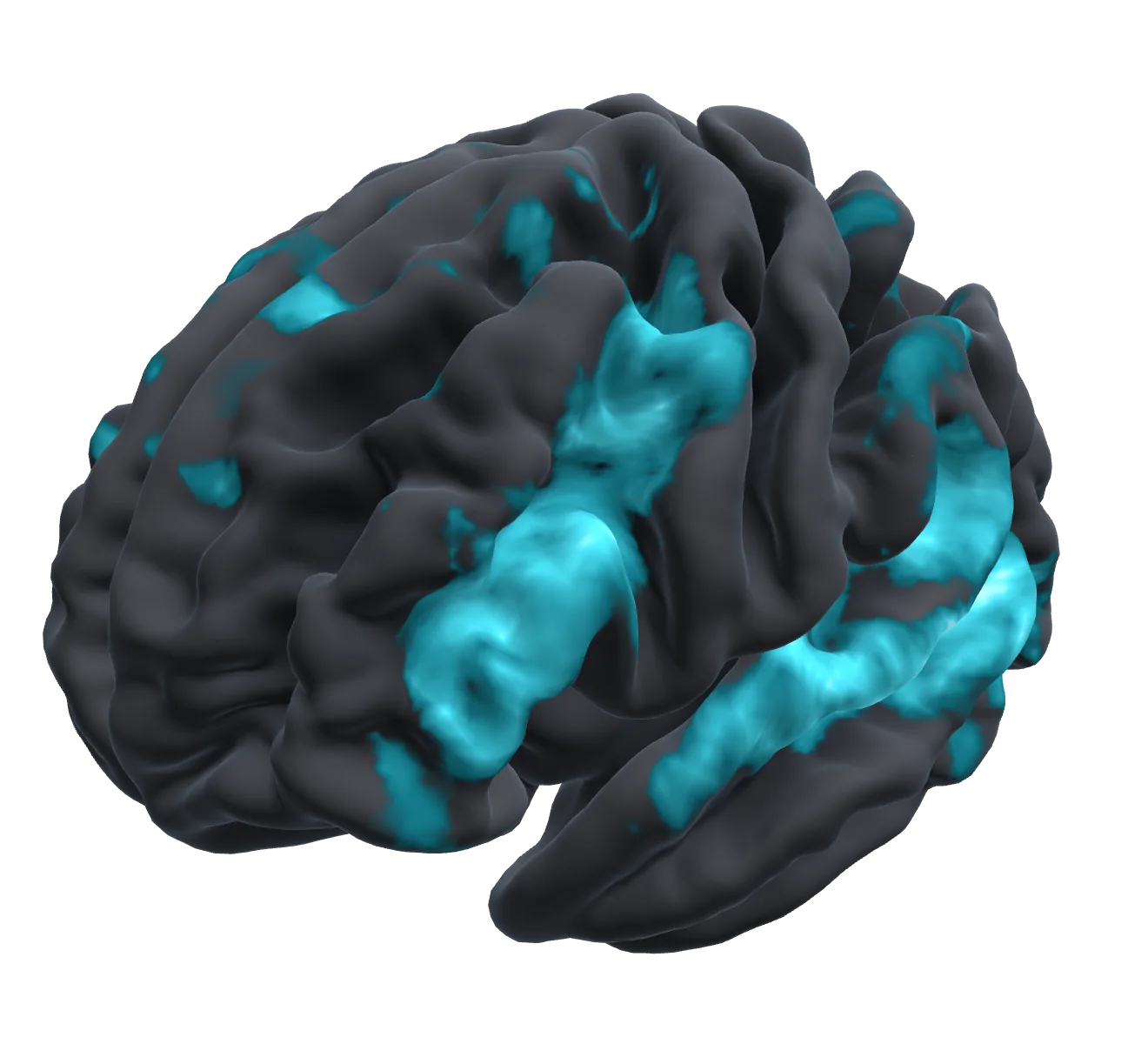
TRIBE v2 prediction for a sample creator clip (AI‑generated)
20,484 cortical points · 1 frame/s · cyan marks the stronger predicted responses · a model prediction for an average viewer, not a recorded scan
For agencies and brand creator teams
Review creator drafts with a reason
If you approve or send back 20 or more creator videos a month, PrePost gives every draft a second-by-second read before it posts, so feedback points at a moment, not a feeling.
Send notes with a timestamp
Swap “it feels slow” for “the predicted response sags at 0:04, tighten the open.” Creators know exactly what to fix.
The same read for every creator
Every draft on a campaign gets the same second-by-second read, so approvals rest on one standard instead of whoever reviewed it.
Plain English first, the science underneath
Each read opens with a short summary of where to look. The brain-area detail is there when you or the client want it.
What a read looks like
Real TRIBE v2 outputThe boxed mac and cheese hack, a 25-second sample creator clip.
Weakest stretch, 0:01–0:04
The predicted response is lowest in the opening, during the hook shot. Look here first in review: the first three seconds are where a viewer decides whether to stay.
Strongest stretch, 0:15–0:18
The predicted response peaks around the payoff shot. Protect this moment in the edit, or ask whether it could come earlier.
Shot by shot, the hook trails
Averaged over each shot, the payoff (0:16–0:25) carries the highest predicted response and the hook (0:00–0:08) the lowest.
See it in action
How it works, and why
For the curious: the four ideas behind the read. The full method is on the science page.
Why a model can stand in for a scanner
TRIBE v2 was trained on brain scans of people watching and listening to media. It learned which patterns on screen and in the audio go with which brain responses. Give it a new video and it predicts the response an average viewer's brain would likely have.
Why seven brain areas instead of one score
A single number hides the reason. Splitting the read into areas tells you whether a moment works because of the visuals, the voice, the people on screen or the story.
Why second by second matters
Short videos are won or lost in moments. The timeline shows where attention is predicted to rise and where it's predicted to fall, so you know which cut, line or shot to change instead of reshooting everything.
What it can’t tell you, yet
It predicts an average brain, not your audience, and it doesn't predict views. Whether the read tracks real engagement is not proven: in our first 24-video pilot the link was weak and could have been chance (r = 0.25, p = 0.24). So we offer it as a diagnostic, not a forecast, and a larger pre-registered test is under way. We'll publish the answer either way.
How we're testing itThe science, in the open
We're running a pre-registered test: 72 short videos, each with one of four openings, run as ads with equal budgets. It checks whether the brain read predicts which openings keep people watching past three seconds. The plan was written before any data came in, and we'll publish the result whether it works or not.
Read the scienceFAQs
Teams that review creator video before it posts: influencer-agency campaign managers, brand creator-program leads and the creative strategists choosing which creator ads get budget. Creators get a phone app for checking their own drafts.
Join the waitlist
We're opening early access to a small group of agency and brand teams first. Tell us a little about your review workload and we'll be in touch.
PrePost is a research preview. TRIBE v2 is licensed CC BY-NC 4.0, so nothing is for sale yet.